
"Ethiopia water Lim"
200 article(s) found

How does Ethiopian water wash Lim taste? Ethiopian water washing Lim hand flushing method
Professional coffee knowledge exchange more coffee bean information please follow the coffee workshop (Wechat official account cafe_style) Ethiopian coffee is mainly produced in eight major areas, LIMU is one of them. Most Ethiopian varieties are named after this name. on the one hand, there are many varieties and it is difficult to identify and classify them, on the other hand, the Ethiopian government is unwilling to protect them.

Introduction to the flavor characteristics of Ethiopian lim coffee
Generally speaking, Lim Limu focuses on washed beans, which tastes milder than Sidamo and often feels like sweet lemon sugar. Although it is not as famous as coffee from Sidamo and Yegashev, it also produces beans with many special flavors. Lim coffee beans are mainly produced by local small farmers, but there are also some large state-owned estates in the area.

Introduction to the Flavor characteristics of Ethiopian Coffee washed by Lim Limu Jilo, Ethiopia
Professional coffee knowledge exchange more coffee bean information please follow the coffee workshop (Wechat official account cafe_style) Ethiopia Limjilo washing G1 country: Ethiopia: Lim altitude: 1850M-1900M treatment: washing grade: G1 varieties: Heirloom flavor description: bright acidity of apple, aloe, kumquat, changeable layers
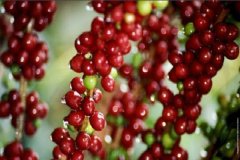
How to choose coffee processed by a variety of small farmers in Ethiopia? water washing G1 recommendation in Lim producing area
For the exchange of professional baristas, please follow the coffee workshop (Wechat official account cafe_style) Ethiopia Lim G1 washing (Ethiopia Washed Limu G1) flavor description: exquisite floral flavors, bright acidity of apple, aloe and kumquat, variable layers on the palate, and a sweet finish of lemon, sandalwood and cocoa in the middle and rear. Country of origin: Ethiopia (Eth

What is Ethiopian DST? How do you make coffee from Pope Lim, Ethiopia?
Professional coffee knowledge exchange more coffee bean information Please follow the coffee workshop (Wechat official account cafe_style) if it is centered on the capital Adis, except for Hala, most Ethiopian coffee is produced in the southwest and south of the capital. Limu is in the southwest of Yi country, not long after departure from the capital, you can see one road to the west and the other to the west after leaving the city.

Introduction to the comparative flavor characteristics of coffee from Lim producing area, Sidamo coffee and Yega Chuefei
For the exchange of professional baristas, please pay attention to the coffee workshop (Wechat cafe_style) Ethiopia Washed Limu Cheshiche G1 most lim coffee processing plants in Ethiopia's water-washed Lim area grow coffee from 1200 meters to 1900 meters high. the shape of the coffee is not large, but it is quite clean. As the name implies, semi-washing is called semi-washed! The required experience is the same as the average.

Lim producing area | Lima Lemma Nicholas NegusieG3 | Heirloom solarization local native species wind
Professional coffee knowledge exchange more coffee bean information please follow the coffee workshop (Wechat official account cafe_style) Ethiopia Lim production area | Nicholas G3 | Heirloom sun local native flavor? Crops produced in Ethiopia in 2008, including wheat, corn, sesame and coffee, were fully introduced into E.C.X 's trading system (Ethiopian Commodity Exch

The difference between Red Cherry and Lim and their respective Flavor characteristics of African Bean-Yejasuefei
[red cherries] the main producing areas in Ethiopia are Yegasuefei, Sidamo, Punga Forest, Lekanti, Ken Bata, Irubab, Hara, Lim. Yegashafi is a small town in Ethiopia and one of the highest coffee producing areas in the world. It is 1700-2100 meters above sea level, foggy all the year round, like spring all year round, with a gentle breeze, cool and humid. In the harvest season

Coffee from Seka Forest Farm in Lim, Ethiopia. Is the coffee in Lim good?
Professional coffee knowledge exchange more information about coffee beans Please follow Coffee Workshop (Wechat official account cafe_style) Seka Forest Farm the natives living in the surrounding area are mainly from the Oromo. They grow coffee on small plots of land and get natural resources from the surrounding forests. The farm covers an area of 200 hectares and is located in the Oromiya area of Checka kebele. it
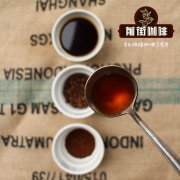
Lim Limu washing local native coffee how to drink? What are the producing areas of Ethiopian coffee?
Professional coffee knowledge exchange more coffee bean information please follow the coffee workshop (Wechat official account cafe_style) Ethiopian coffee is mainly produced in eight major areas: Lekempti, Limu, Illubabor, Djimmah, Harar, Teppi/Bebeka, Sidamo, Yirgacheffe. Ethiopian coffee is highly rated in China, especially for Ethiopian coffee.
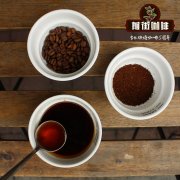
Flavor and characteristics of Ethiopian Coffee produced in Ethiopia
Professional coffee knowledge exchange more coffee bean information please follow the coffee workshop (Wechat official account cafe_style) Ethiopian coffee according to the above four different production methods, Ethiopian coffee can be divided into nine major coffee producing areas, including five boutique coffee areas: Sidamo, Yegashefi, Harald, Lim, Lekampdi, and four general commercial bean producing areas: Jemma and Iruba.

Coffee from Lim Biftu Gudina Cooperative in Ethiopia Coffee production in Ethiopia
Professional coffee knowledge exchange more coffee bean information please follow Coffee Workshop (Wechat official account cafe_style) Biftu Gudina Cooperative Biftu Gudina Cooperative is a group of 138farmers based in Goma. The cooperative is part of a new Limu alliance, the Keita Medoga Alliance (Keta Meduga Union), which was established in 2016. This alliance is in Aga.

What does the Ethiopian Coffee DST auction mean? introduction to Pope Lim's selected lots
Professional baristas please follow the coffee workshop (Wechat official account cafe_style) Ethiopia-Pope Ethiopia Limu Pope was the highest scorer in the cup test at the DST auction! This batch of papal coffee has been screened and processed by a special processing plant for raw beans, with a plastic inner bag (Grainp) at every stage of production, postharvest treatment and export.

Washed Fine Coffee Lim Coffee from Ethiopia
Coffee is Ethiopia's most important export cash crop and the main source of Ethiopia's foreign exchange earnings. Ethiopia's coffee exports account for about 3% of the world market, making it the eighth largest coffee exporter in the world. Coffee exports increased steadily from 58000 tons in 1990 to 110000 tons in 1995-1996 and remained at this level in the following years. 2001-2002

What coffee beans are suitable for hand brewing coffee in Limzilo, Ethiopia?
Professional coffee knowledge exchange more coffee bean information please follow the coffee workshop (Wechat official account cafe_style) Ethiopia Limu Gera G1 Washed Ethiopia Limjilo washing G1 country: Ethiopia production area: Lim altitude: 1850M-1900M treatment: washing grade: G1 variety: Heirloom flavor description: Apple

Ethiopia Lim Gera Farm Coffee Bean Introduction Different from Koji Coffee Flavor Characteristics Taste
Professional coffee knowledge exchange More coffee bean information Please pay attention to coffee workshop (Weixin Official Accounts cafe_style) Gera Farm Gera Farm is located in the highland area of Gera District, reaching masl height of 1900-2100, which is very suitable for growing Arabica coffee. Production systems based on sustainability principles

Ethiopian Coffee Lim Region Flavor Ethiopian Fine Coffee Bean Introduction
Coffee bugs, in previous installments we learned about the origins and spread of coffee, so where does the coffee we drink today come from? Next, follow Xiao one to explore coffee producing areas around the world ~ Coffee 53 producing areas currently have 53 major coffee producing areas in the world, all distributed in the coffee belt "25N~30S". We're tracking the spread of specialty coffee
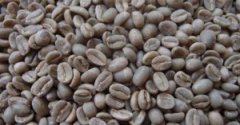
Brief introduction of Ethiopian Coffee the hometown of Arabica Coffee
Lim G2 Ethiopia is the hometown of Arabica coffee, and you can see wild Arabica coffee in the forests of the Kaffa region. In Ethiopian, coffee is called Bun or Buna, and coffee beans (coffee bean) may be translated from Kaffa Bun. Arabica coffee has long been found in the Harald area, which is very accessible.
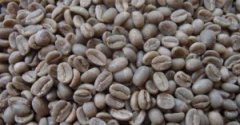
A brief introduction to boutique coffee beans and Ethiopian coffee
Lim G2 Ethiopia is the hometown of Arabica coffee, and you can see wild Arabica coffee in the forests of the Kaffa region. In Ethiopian, coffee is called Bun or Buna, and coffee beans (coffee bean) may be translated from Kaffa Bun. Arabica coffee has long been found in the Harald area, which is very accessible.

Coffee bean producing area Ethiopian coffee Lim producing area
At 1200-1900 meters above sea level, the average planting height in this area is significantly lower than that in other areas, but there is still fine coffee. Lim producing area is located in the southwest of the capital, and Gemma can be reached further south. Both belong to the Kafa Forest, north of Lim and south of Gemma. Lim is mostly washed with water beans, orange fragrance is strong, sour and lively, the flavor is similar to water washing Yega Xuefei. Lim also has a small amount of coffee.